La Rocca di Gagliano: Un Castello Scolpito nel Cuore della Sicilia
The Rock of Gagliano: A Castle Sculpted in the Heart of Sicily
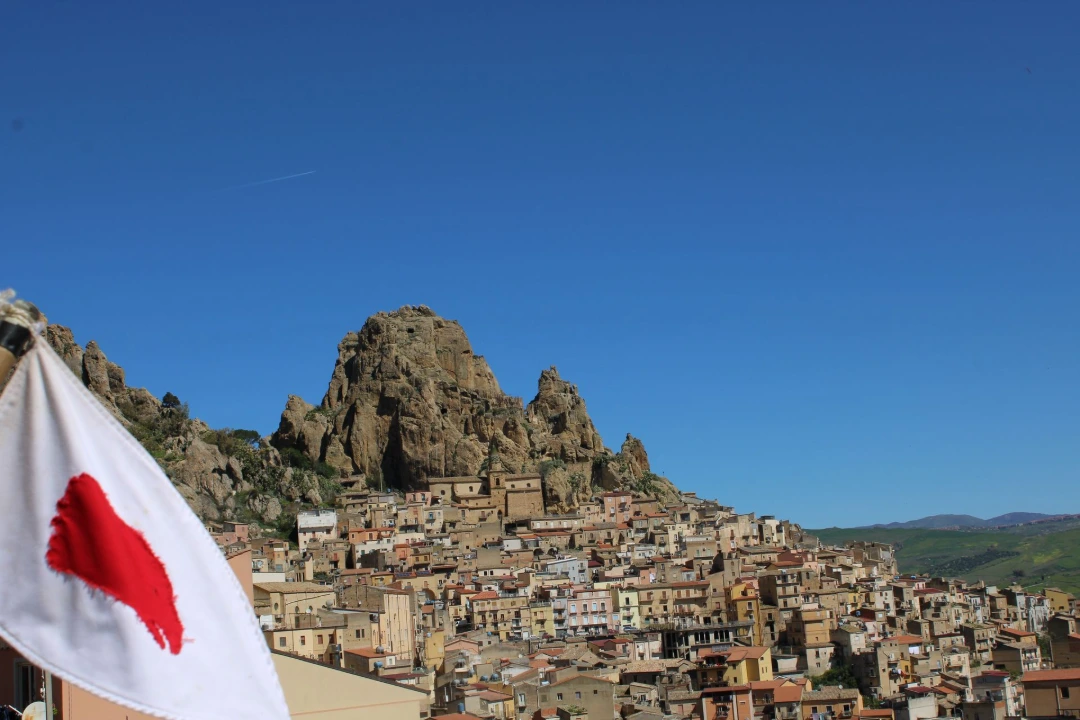
IT: Le origini della Rocca affondano le radici in un passato remoto. Identificata quasi certamente con il bizantino "castello di ferro", la fortezza viene menzionata già dal cronista normanno Malaterra. Documenti ufficiali ne attestano l'importanza come castrum Galliani fin dal XIII secolo, quando era il centro del potere di un signore locale.Nel XVIII secolo, lo storico Vito Amico descriveva questo luogo come una "fortezza di antica magnificenza", dotata un tempo di cinque torri, dodici cisterne e oltre trenta sale, quasi interamente scavate nel vivo sasso.Le Zone Inferiori: Il viaggio all'interno del castello inizia dalla Porta Falsa, da cui parte una suggestiva scalinata interamente intagliata nella roccia. Salendo lungo il crinale, si incontra il primo pinnacolo che ospitava la "torre 1", caratterizzata da ambienti ipogei sovrapposti e un ingegnoso sistema di canalizzazione idrica che alimentava una cisterna sotterranea, originariamente utilizzata forse come silo per le granaglie. Le Zone Superiori: Superato il portone d'ingresso, ci si trova al cospetto di tre enormi pinnacoli rocciosi. Qui sorge il Mastio (o Donjon), una struttura a pianta rettangolare costruita in muratura su una base scavata nella roccia.
- Architettura e Ingegneria: Il Mastio si sviluppava su almeno due piani con soffitti lignei e presentava un sofisticato sistema di scarico che permetteva il deflusso dei liquidi e lo svuotamento parziale delle cisterne in caso di sovraccarico.
- Il "Bagno Arabo": Proseguendo verso nord, si accede a un grande ambiente ipogeo polilobato. Alcuni studiosi ipotizzano potesse trattarsi di un antico "bagno arabo", collegato a un cammino di ronda e a una guardiola con finestra a strapiombo, che rendeva il lato nord del castello assolutamente inaccessibile.
Nonostante la natura difensiva, la Rocca ospitava spazi di grande decoro e spiritualità:
EN: The origins of the Rocca are rooted in a remote past. Almost certainly identified with the Byzantine "iron castle," the fortress was mentioned as early as the Norman chronicler Malaterra. Official documents attest to its importance as the castrum Galliani since the 13th century, when it was the center of power for a local lord. In the 18th century, the historian Vito Amico described this place as a "fortress of ancient magnificence," once equipped with five towers, twelve cisterns, and over thirty rooms, almost entirely excavated into the living rock. The Lower Zones: The journey inside the castle begins at the Porta Falsa, from which a suggestive staircase entirely carved into the rock starts. Climbing along the ridge, one encounters the first pinnacle that housed "tower 1," characterized by overlapping underground environments and an ingenious water channeling system that fed a subterranean cistern, originally used perhaps as a grain silo.The Upper Zones: After passing the entrance gate, you stand before three enormous rocky pinnacles. Here stands the Keep (or Donjon), a rectangular structure built of masonry on a base excavated into the rock. Architecture and Engineering: The Keep developed on at least two floors with wooden ceilings and featured a sophisticated drainage system that allowed for the outflow of liquids and the partial emptying of the cisterns in case of overload. The "Arab Bath": Continuing north, there is access to a large multi-lobed underground environment. Some scholars hypothesize it could have been an ancient "Arab bath," connected to a patrol path and a guardhouse with a sheer drop window, which rendered the northern side of the castle absolutely inaccessible. Despite its defensive nature, the Rocca housed spaces of great decorum and spirituality:
La Cappella
IT: Ricavata in una grande cavità e orientata canonicamente verso est, conserva ancora tracce di colonne in pietra intonacata e un'area dedicata all'altare.
The Chapel
EN: Created within a large cavity and canonically oriented towards the east, it still preserves traces of plastered stone columns and an area dedicated to the altar.
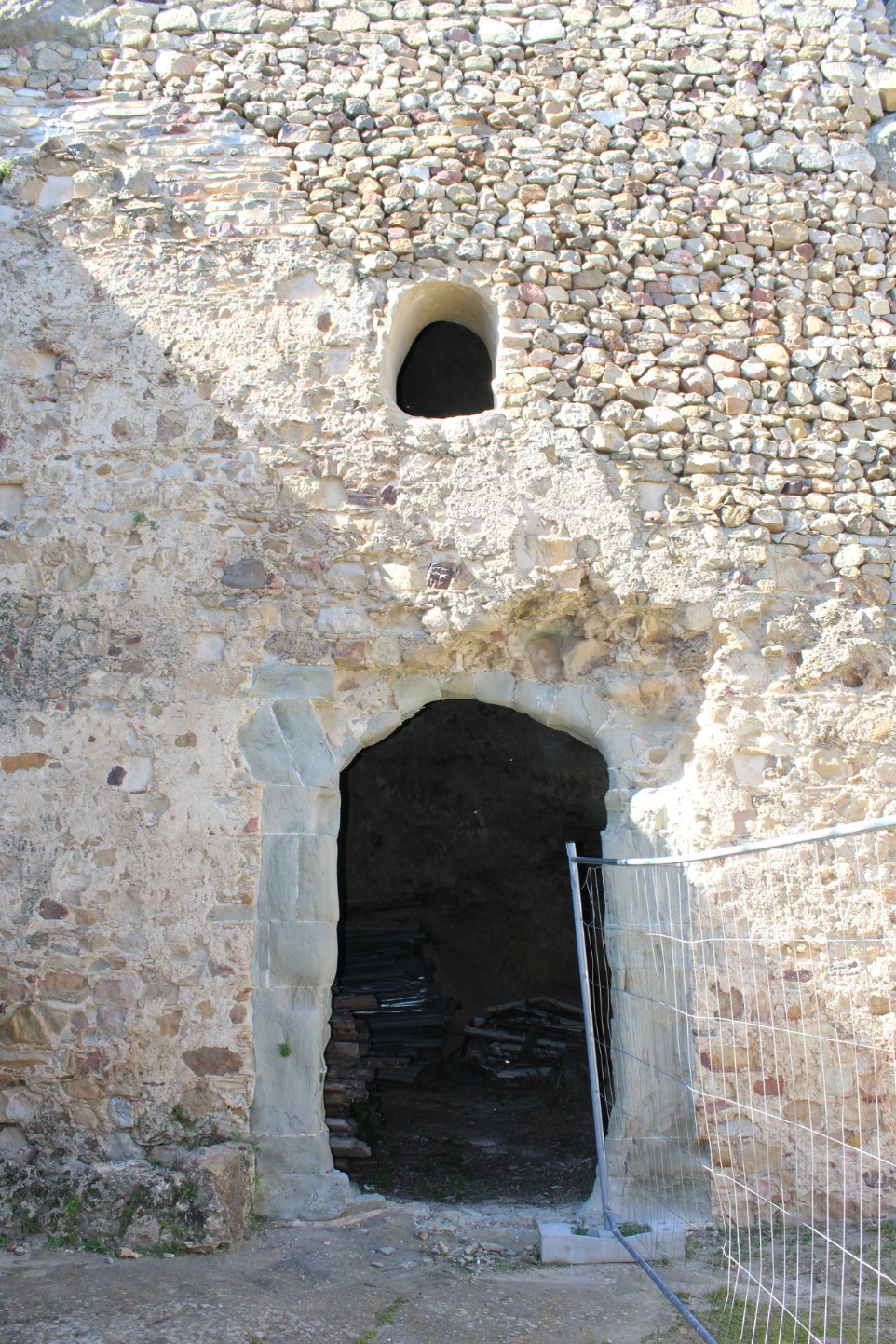
L'Ala Residenziale
IT: Situata sul lato meridionale per godere del massimo calore e della vista sul paese, quest'ala ospitava le "abitazioni baronali". Sebbene oggi appaiano spoglie, i resti di pavimenti in maiolica e tracce di intonaco suggeriscono un passato di lusso e decoro, con stanze che imitavano l'architettura dei palazzi costruiti in muratura attraverso l'uso di false volte in canne e stucco.
La Grande Galleria
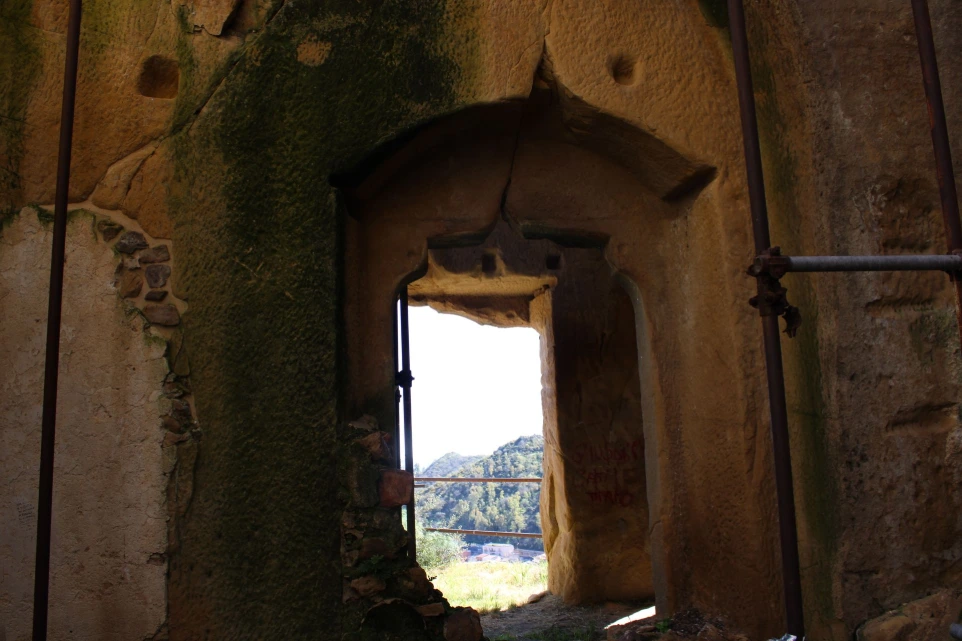
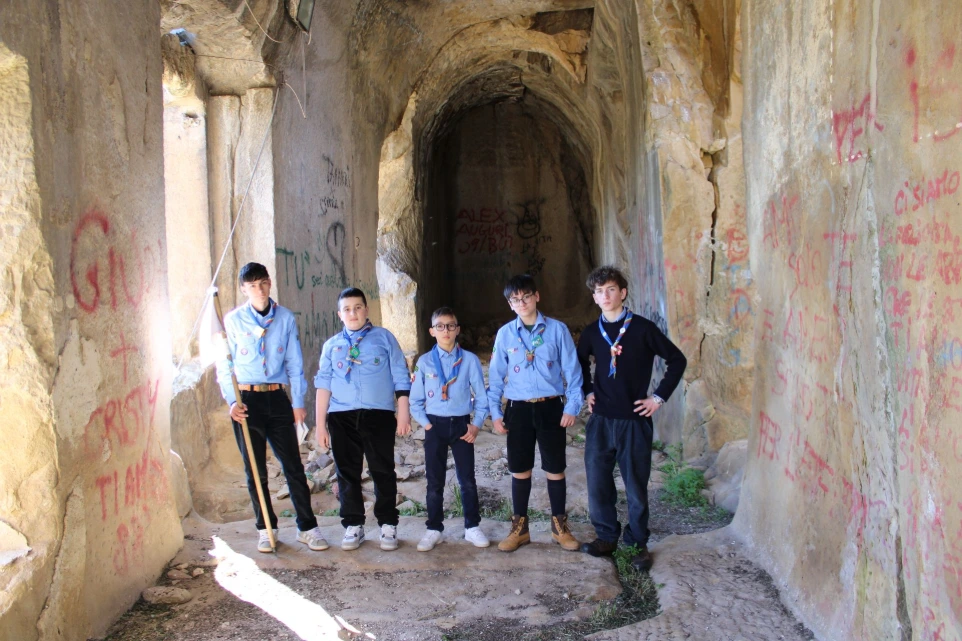
IT: Uno degli elementi più significativi è la galleria di 23,5 metri, interamente scavata nella roccia, con tre grandi aperture che dominano l'abitato sottostante.
The Grand Gallery
EN:One of the most significant elements is the 23.5-meter gallery, entirely carved into the rock, with three large openings overlooking the town below.
The Residential Wing
EN: Located on the southern side to enjoy maximum warmth and the view over the town, this wing housed the "baronial dwellings." Although they appear bare today, the remains of majolica floors and traces of plaster suggest a past of luxury and decorum, with rooms that imitated the architecture of masonry palaces through the use of false reed vaults.
IT:La Leggenda della "Mala Zita":Ogni castello ha i suoi segreti, e la Rocca non fa eccezione. Tra le sue guglie si tramanda la leggenda della "Rocca della mala zita" (la rocca della cattiva sposa). Si narra di una giovane promessa sposa che, per sfuggire a voglie disoneste di un signorotto dell'epoca o per una tragica caduta, precipitò dal terribile strapiombo che caratterizza questo lato della fortezza.
EN:The Legend of the "Mala Zita": Every castle has its secrets, and the Rocca is no exception. Among its spires, the legend of the "Rocca della mala zita" (the rock of the bad bride) is passed down. It tells of a young bride-to-be who, to escape the dishonest desires of a local lord or due to a tragic fall, plummeted from the terrifying cliff that characterizes this side of the fortress.